
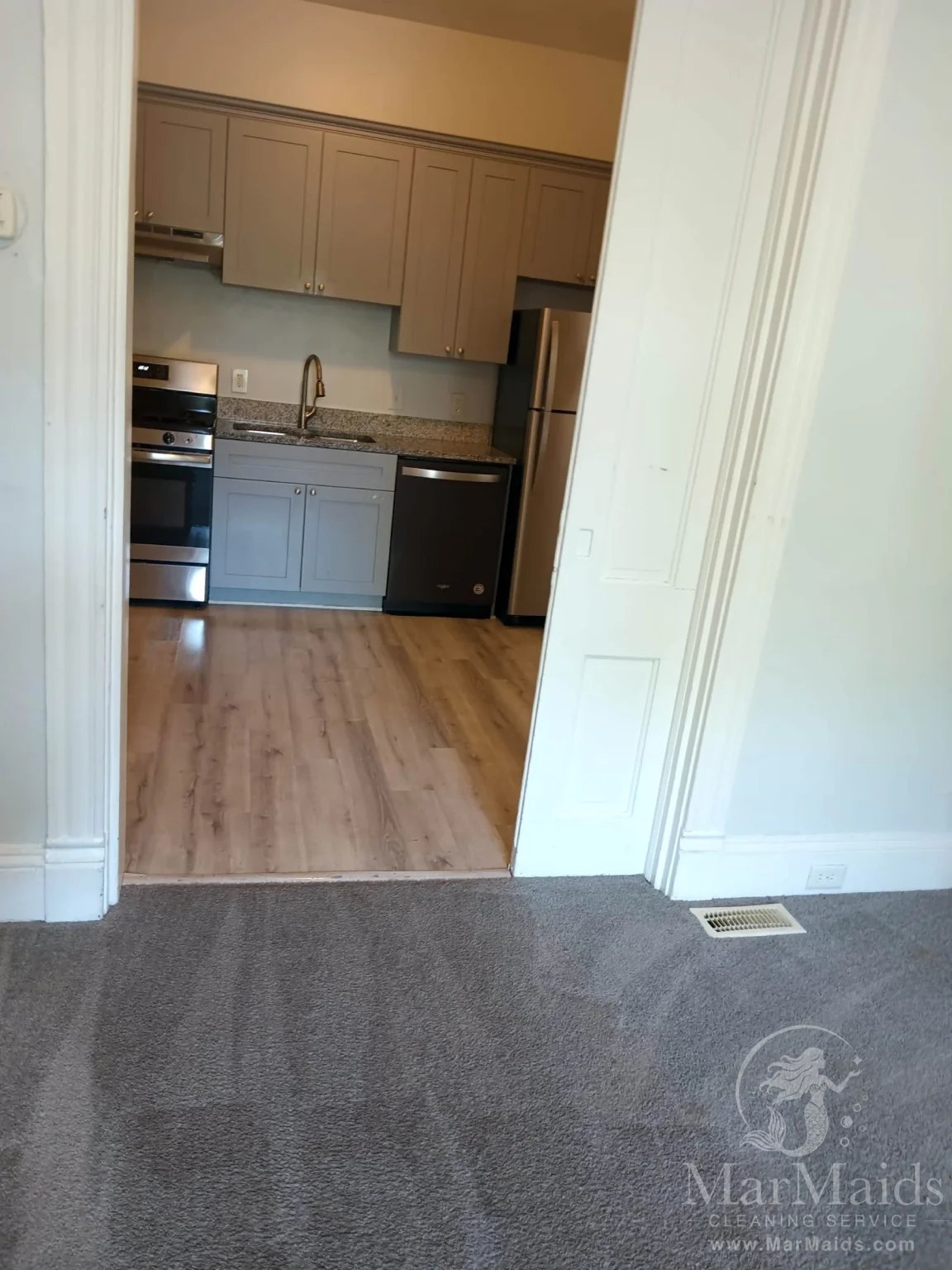
A rental property turnover involves several different jobs. Cleaning is one part of the process, alongside inspection, repairs, access coordination and the final handoff. Separating those jobs helps an owner or property manager avoid booking a cleaner before the property is ready.
This checklist is an operational planning guide. It does not determine tenancy rights, deposit deductions or inspection obligations. Use your established property-management procedures for those decisions.
1. Record the property’s starting condition
Walk through the empty property and note the rooms, appliances and fixtures that need attention. Keep cleaning observations separate from repair issues. Photograph the areas your team needs to discuss, and share relevant details with the person arranging the work.
Confirm whether the property is actually vacant and whether belongings remain. The cleaning team should know what can be moved, what must stay in place and who makes decisions about anything left behind.
2. Coordinate trades before the final clean
List outstanding maintenance and decide the working order. Painting, flooring and repairs may create new dust or debris after a room has been cleaned. Agree when contractors expect to finish and leave enough time to inspect the result before the cleaner arrives.
If work must overlap, define access and areas that are out of bounds. Do not ask a cleaning team to make a room ready while another contractor is still creating mess in it.
3. Define the cleaning scope
- Count bedrooms, bathrooms and other rooms.
- Identify appliance interiors that require attention.
- Specify whether cabinets and drawers must be emptied first.
- List agreed accessible surfaces, fixtures and floors.
- Note waste removal arrangements and any exclusions.
- Disclose unusual conditions that need review before booking.
Use our deep cleaning versus regular cleaning guide to make the requested detail work clear. “Clean the property” is less useful than a shared list of rooms and tasks.
4. Prepare access and utilities
Confirm the approved access method, parking and the named contact for questions. Tell the provider about stairs, locked storage and restricted areas. Check that the utilities and facilities needed for the agreed work are available.
Keep access codes in your secure operating process rather than putting them on a public checklist. Arrange how keys or other access items will be returned after completion.
5. Inspect after cleaning
Review the agreed scope room by room. Record any missed cleaning task specifically, and distinguish it from permanent wear or a repair issue. A worn finish does not become a cleaning failure simply because it still looks different after the surface is clean.
Check the kitchen and bathrooms, floor presentation and any extra tasks that were approved. Confirm that outstanding maintenance has an owner and a completion plan before the property is handed over.
6. Improve the next turnover
Keep a reusable property checklist, record the actual sequence and review what caused delays. Update the plan when appliances, flooring or the way the property is used changes. A little documentation reduces the number of decisions that have to be made on the day.
For a short-term rental between guest stays, use the separate Airbnb turnover cleaning checklist. For a longer change of occupancy, discuss move-in or move-out requirements with MarMaids Cleaning Service and confirm the scope for your Hampton Roads property.